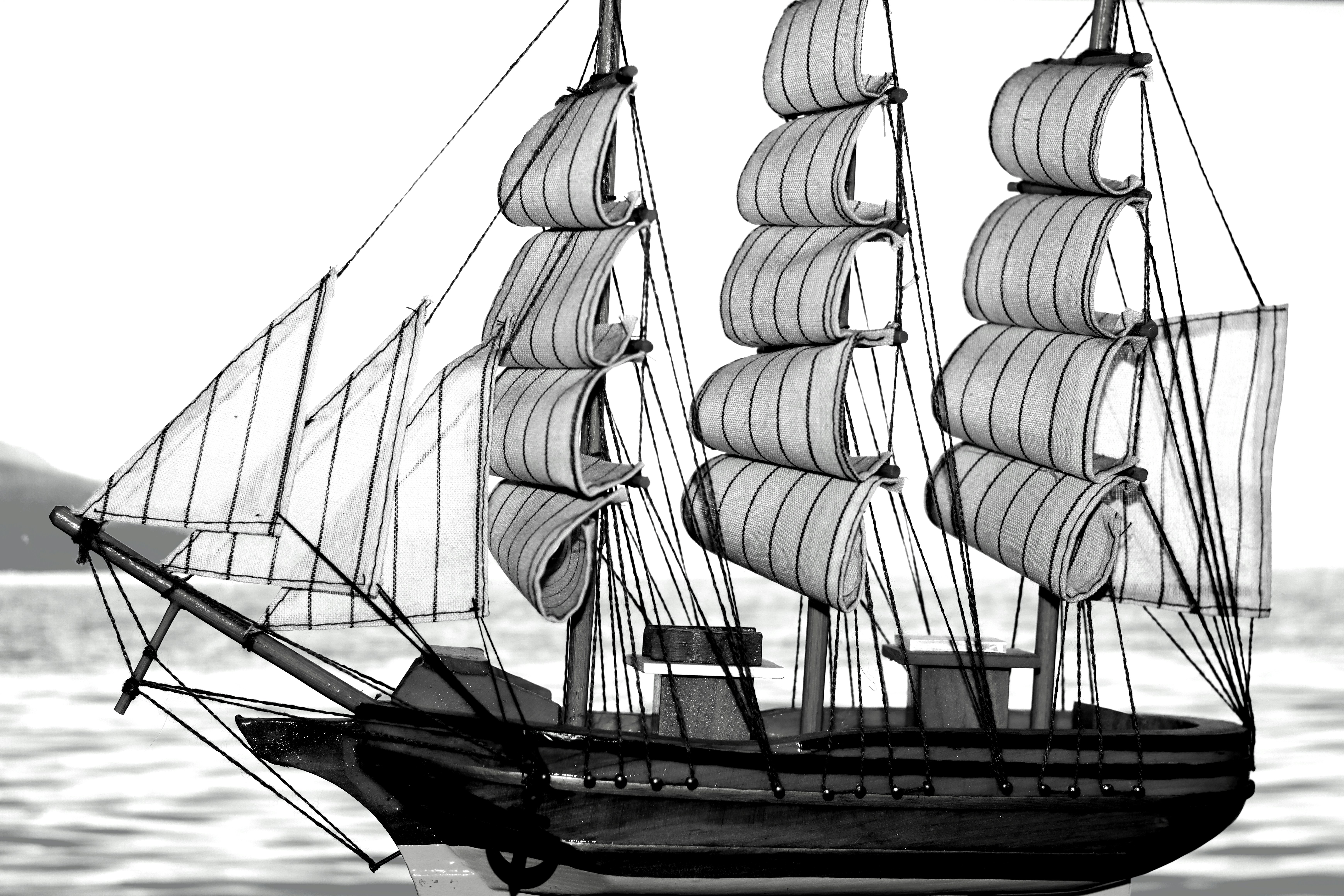
Introduction to Historical Vessels and Their Significance
Historical vessels represent a crucial aspect of our maritime legacy, embodying centuries of trade, exploration, and naval heritage. These ships are not merely artifacts of the past, but rather symbols of human ingenuity that have served as vehicles for discovery and connection among distant lands. The significance of historical vessels lies in their ability to tell the stories of those who sailed them and to illustrate the evolution of maritime practices over time.
Throughout history, ships have played an essential role in the development of trade routes and commerce. From the great galleons of the Age of Exploration to the humble fishing boats employed by coastal communities, vessels have facilitated the exchange of goods, culture, and ideas across the globe. The craft and design of these ships evolved in tandem with navigational advances, reflecting the changing needs and ambitions of maritime societies. Their legacy continues to impact modern maritime industry, inspiring both innovation and reverence for the traditions they represent.
The MV Wyuna is one such vessel deserving of recognition and preservation. Originally built to serve various maritime functions, this ship has become an integral part of Australia’s maritime history. Serving as a reminder of our collective journey, the MV Wyuna captures the imagination and reflects the cultural and economic shifts of its time. Today, the vessel stands as a testament to the craftsmanship of its era while also facing the challenges of preservation amidst changing maritime practices.
Preserving historical vessels like the MV Wyuna is paramount in sustaining our understanding of maritime heritage. These ships not only educate future generations about the importance of maritime history but also encourage community engagement and appreciation for seafaring life. The campaign to support the MV Wyuna emphasizes the critical need for collective commitment towards safeguarding such unique pieces of history for posterity.
The Role of Artificial Intelligence in Digital Art Creation
Artificial Intelligence (AI) is increasingly recognized as a transformative force in the realm of digital art, particularly in the representation of historical vessels. By leveraging advanced algorithms and machine learning models, AI systems have the capacity to generate intricate images that capture the essence of historical craftsmanship and design. Various technologies, such as generative adversarial networks (GANs) and neural style transfer, are employed to create these compelling visualizations, allowing artists to bring historical vessels to life in innovative ways.
The advantages of utilizing AI in art creation are manifold. One significant benefit is the ability to produce art that mimics the styles of specific historical periods, thus offering a deeper understanding of the aesthetics associated with various nautical eras. Artists can experiment with diverse styles, textures, and formats, yielding diverse artistic interpretations of the same subject matter. This adaptability highlights AI’s role in assisting artists in their creative processes, enhancing their workflow, and enabling them to focus on more conceptual aspects of their work.
Despite its advantages, the integration of AI in creative industries raises important ethical considerations. Questions surrounding authorship and originality must be addressed, as AI-generated works blur the lines between human creativity and machine-generated content. Additionally, concerns about the potential displacement of traditional artists arise, prompting a discussion about the future role of human creativity in an increasingly AI-driven world. Given these challenges, ongoing dialogues among artists, technologists, and ethicists are crucial to navigate the complex landscape of AI in digital art. As we continue to explore this intersection, it is clear that the role of AI in the depiction of historical vessels and beyond has the potential to redefine artistic expression, fostering a new era of innovation and collaboration in the art world.
Printing Historical Vessels in Extra Large Formats
Creating extra-large prints of historical vessels represents a significant step in bringing maritime heritage to life. With advancements in technology, the process of printing AI-generated images in substantial formats has become feasible and practical. These extra-large prints serve not only as visual displays but also as educational resources that can captivate audiences and provoke thoughtful discussions about maritime history.
When it comes to printing large format images, several key materials are utilized. Common choices include canvas, vinyl, and high-quality photo paper. Canvas, for instance, offers a textured finish that can add depth and authenticity to the representation of historical vessels. Vinyl, on the other hand, is durable and can withstand varying environmental conditions, making it ideal for outdoor exhibitions. Each material provides distinct advantages that can enhance the overall appearance of the artwork.
One of the primary benefits of using extra-large prints is their ability to transform simple exhibitions into immersive experiences. These substantial artworks draw attention and engage viewers, thereby fostering a deeper appreciation of historical vessels and their significance. Institutions can leverage this effect by integrating large-format prints into their displays, enhancing interpretive approaches that reveal the stories behind the vessels.
For individuals and institutions interested in showcasing these magnificent prints, several tips can enhance their effectiveness. First, consider the lighting of the display area; proper lighting can dramatically elevate the impact of an artwork. Secondly, thoughtfully curating the surrounding space, such as including historical artifacts and informative signage, can create a cohesive experience. Finally, employing interactive elements—such as QR codes that lead to audio or video content—can engage viewers further, allowing them to explore the history of maritime vessels more deeply.
The MV Wyuna Campaign: Why Preservation Matters
The MV Wyuna, a significant piece of maritime heritage, is currently facing numerous challenges that put its preservation at risk. This vessel not only represents a crucial part of our historical narrative but also serves as a testament to the craftsmanship and engineering of its time. The campaign to save the MV Wyuna highlights the urgency of preserving such vessels, emphasizing their role in connecting communities with their maritime history and cultural legacy.
Several factors contribute to the risk of deterioration for the MV Wyuna. Exposure to harsh weather conditions, lack of maintenance, and insufficient funding for restoration efforts are prominent challenges. These issues underscore the importance of community engagement and support in preservation initiatives. By rallying together, communities can contribute to the funding and awareness necessary for sustaining the restoration and maintenance of the MV Wyuna.
The emergence of digital art through artificial intelligence (AI) presents a unique opportunity to enhance awareness of the MV Wyuna Campaign. This innovative approach not only brings the vessel’s rich history to life but also attracts potential supporters who may connect with the mission through visual storytelling. By leveraging AI-generated content, campaign organizers can engage a broader audience, encouraging them to appreciate the cultural significance of the MV Wyuna and the need for its preservation.
Readers interested in contributing to this vital campaign can take various steps, such as participating in fundraising events, volunteering for restoration efforts, or spreading the word through social media. Engaging in discussions about maritime heritage and advocating for the preservation of historical vessels can further amplify the mission of the MV Wyuna Campaign. Every action, no matter how small, can play a significant role in ensuring that the MV Wyuna remains a cherished part of our maritime history for future generations to enjoy.